(incoherent joy)
February 22, 2023
cue astonished screeching: I’VE BEEN SHORTLISTED FOR THE ARCTIC CIRCLE RESIDENCY!!!!!

partner, parent, artist, knitter, sailor, cyclist, sketcher, house painter, set designer, safety officer, itinerant equestrian, kite flyer, questions?
cue astonished screeching: I’VE BEEN SHORTLISTED FOR THE ARCTIC CIRCLE RESIDENCY!!!!!
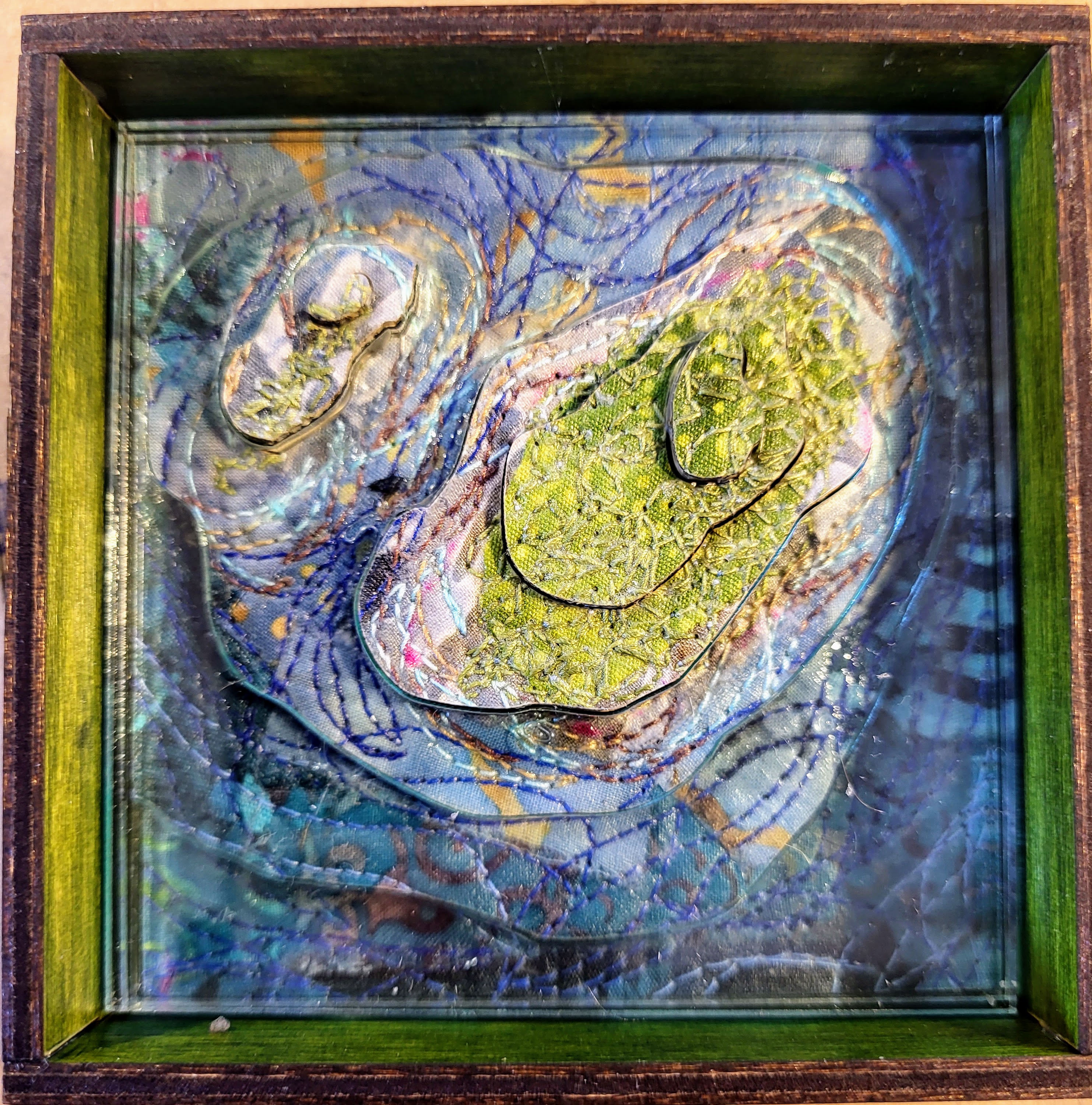

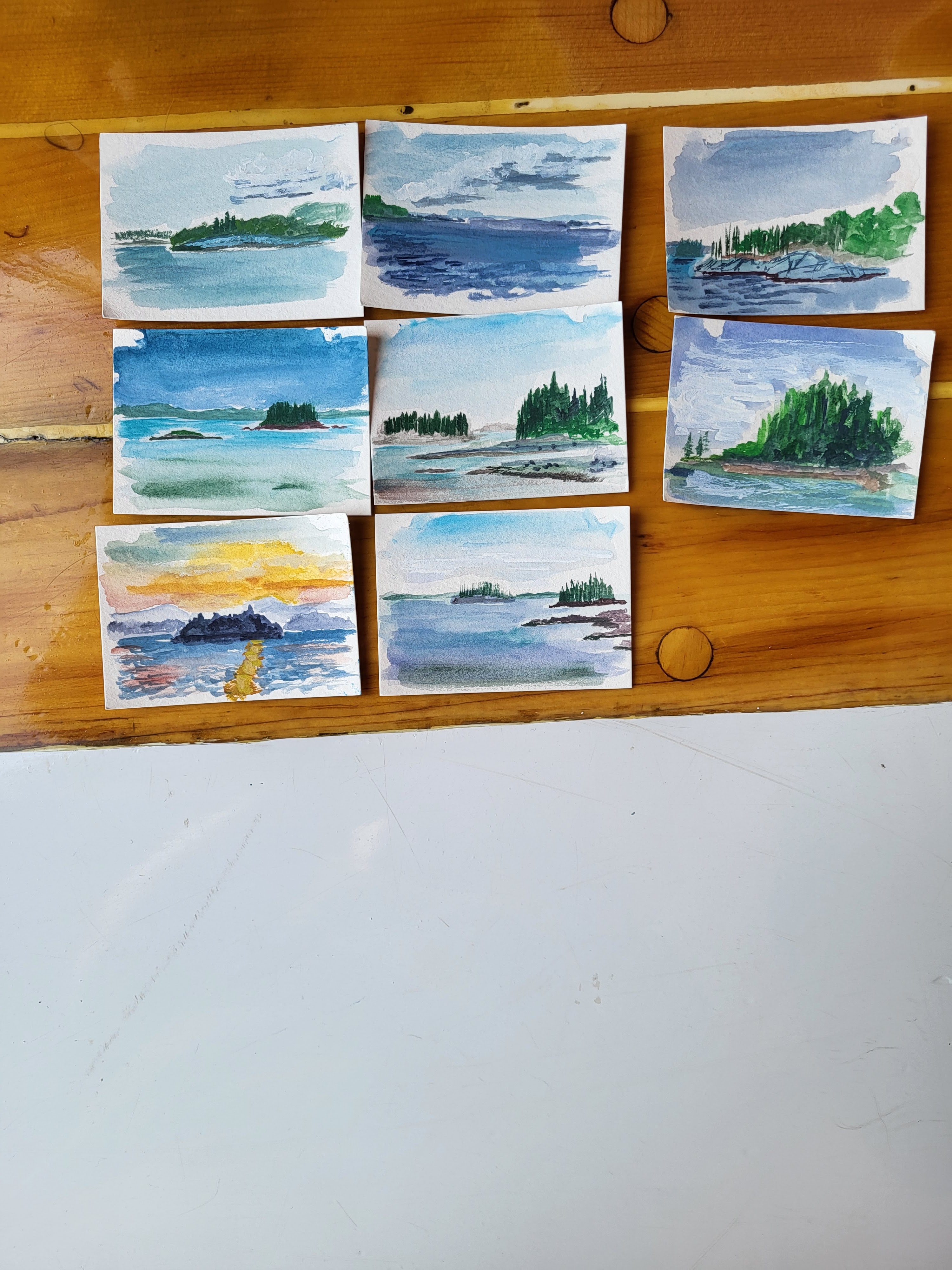
Some of the new little boxed landscapes and seascapes I am working on. I have a trunk show coming up at Sawmill River Arts Gallery on February 25th, so I’m working on these little guys right now. These rivers have fall colors going on, with more showing winter, spring and summer colors. They are 2×4 inches (50x100mm). The islands and coastlines are mostly summery, they are 3 inches (75mm) square, all cozy in their little boxes.
The coastlines are all pieces of Maine, simplified. The rivers are short sections of the northern Connecticut River, even as they are also things that all rivers do in areas with little slope. I am ridiculously fond of them!
More new pieces – these are Monhegan Island, off the coast of Maine. There are a small number of year-rounders, making the island community work through the wild winter weather. In summer, the island teems with visitors: tourists flock to see the scenery, artists come to paint, and birders come to see migratory birds on their way further north. We’ve been out almost every summer for a week or so, to catch up with family and friends. It is not a very big island, but it is dense with scenery.
Photography by Stephen Petegorsky, again!

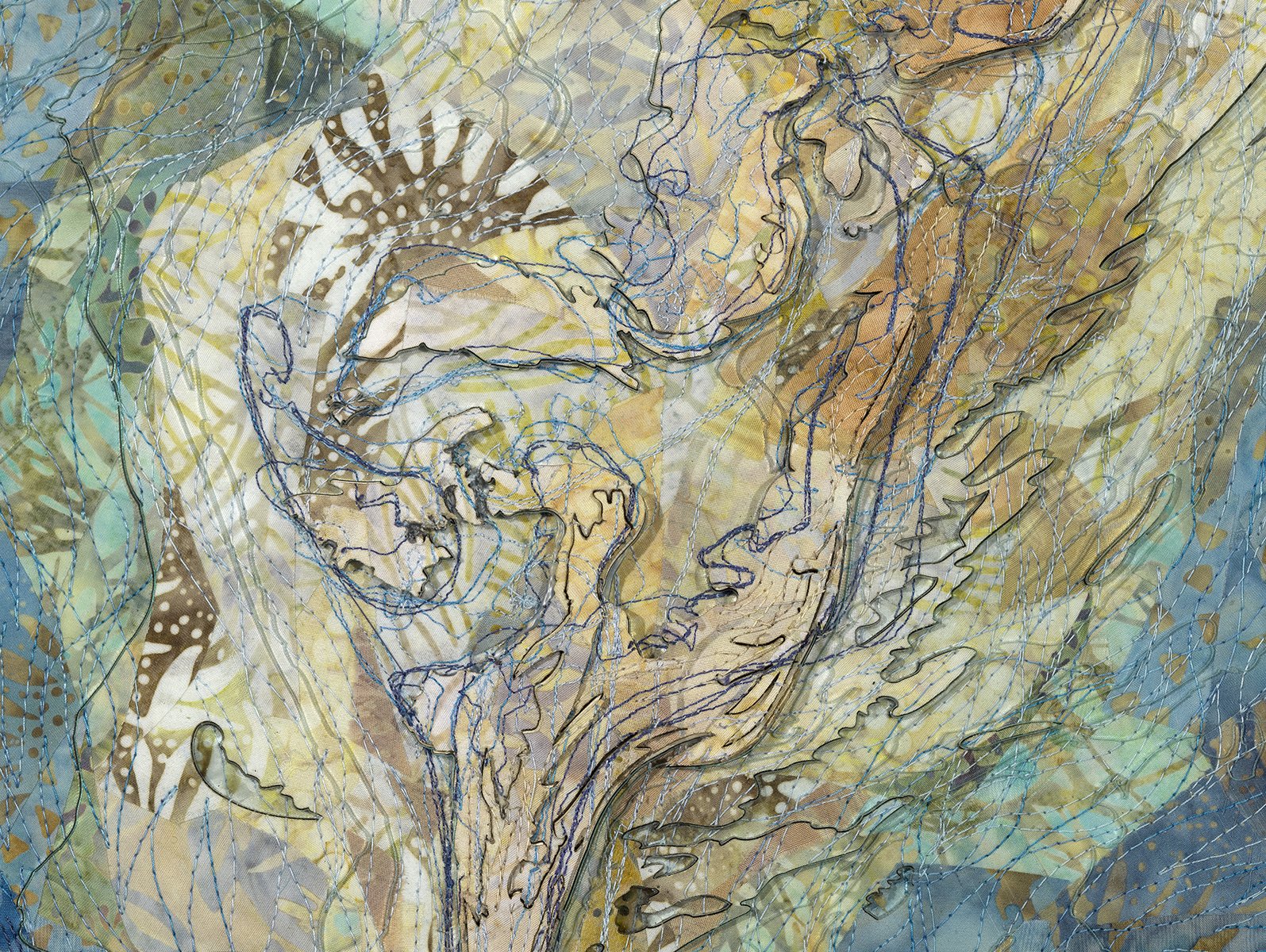


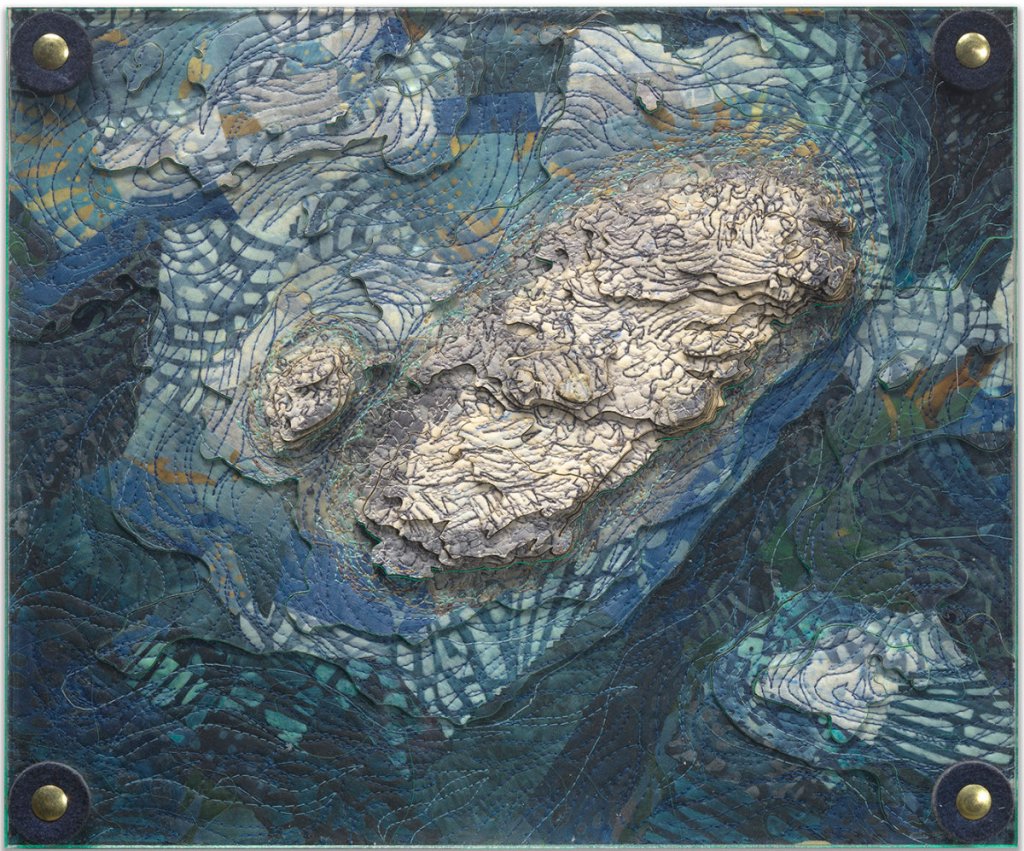
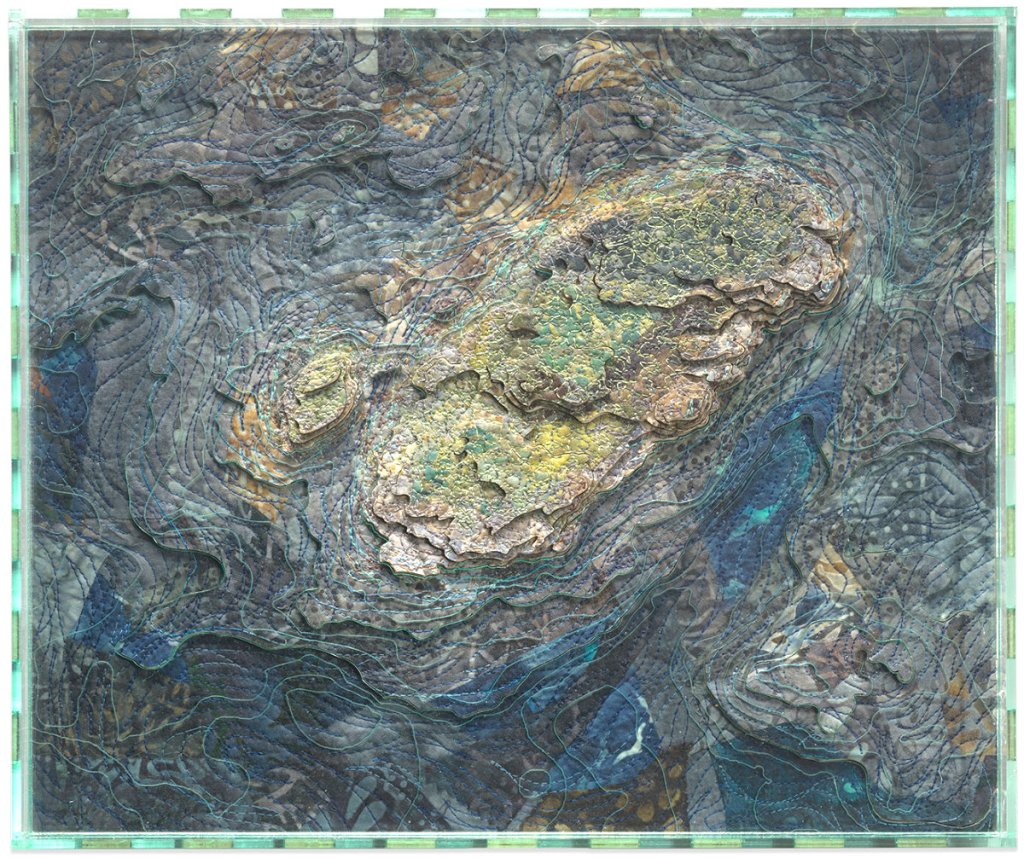
Stephen Petegorsky does amazing and beautiful work – here are the official pictures for the most recent pieces, Monomoy Island and Crane’s Beach.
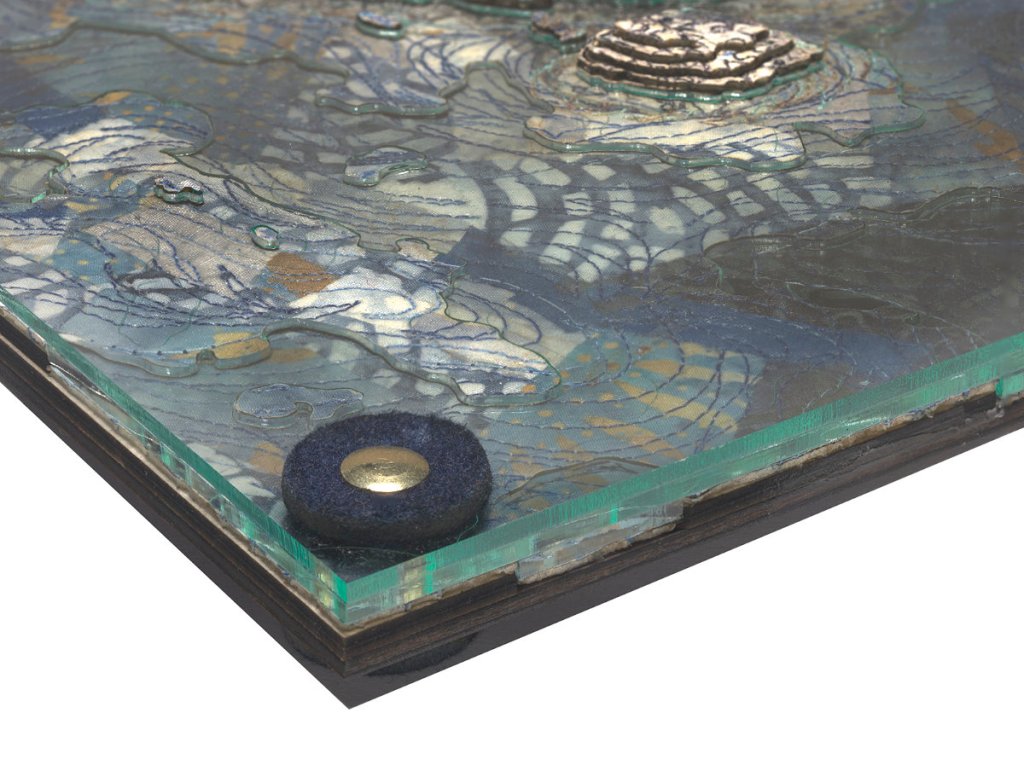
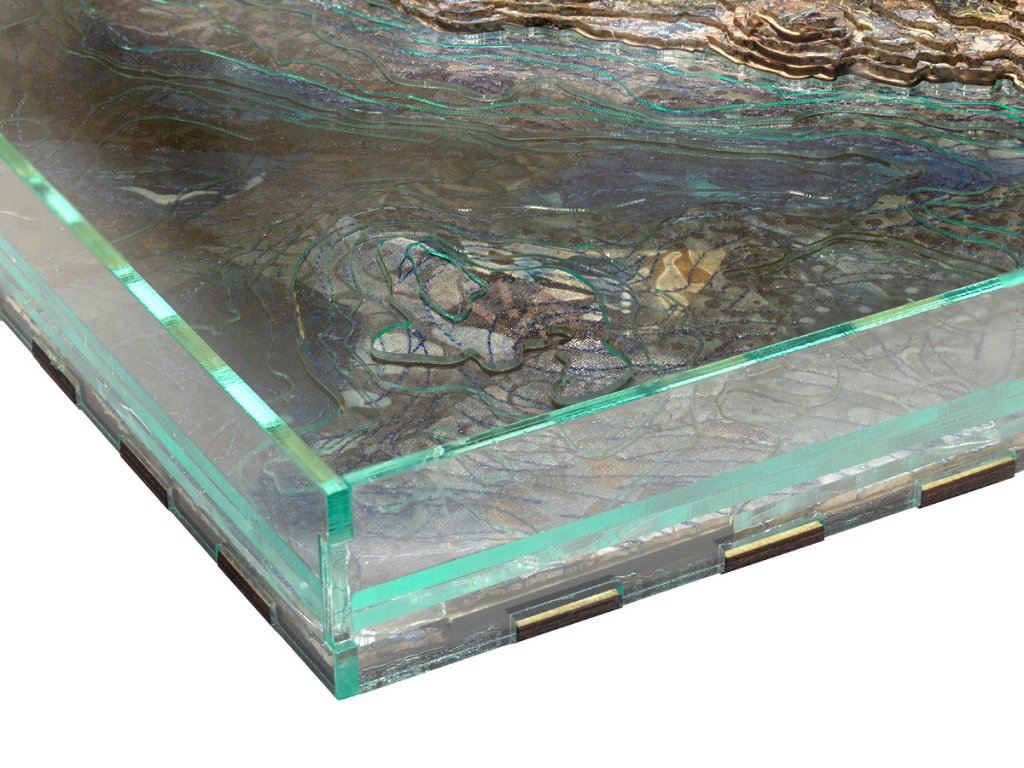
I have been struggling to photograph my most recent work. It has layers of plexiglass, and everything reflects (when it doesn’t have fingerprints, dust or bits of thread on it) and capturing the depths of the work is hard.
This one is Monomoy Island, south of Chatham, on Cape Cod, Massachusetts. In 1979 a winter storm broke through the center of it, and I was so stunned by the idea of change in the environment I’ve paid attention to what the coastline there looked like ever since. Landsat imagery has given us a historical record for the last nearly-fifty years, so I pulled twelve images that showed the most dramatic shifts of the coastline, and used those to draw in the coastlines. The lines are stitched onto a fabric collage where fabric color indicates ocean depth. Then the fabric is sliced along contour lines, and draped over a cardboard elevation model, with plexiglass layers representing ocean at each depth. The top plexiglass layer is sea level, even with the modern coastline.

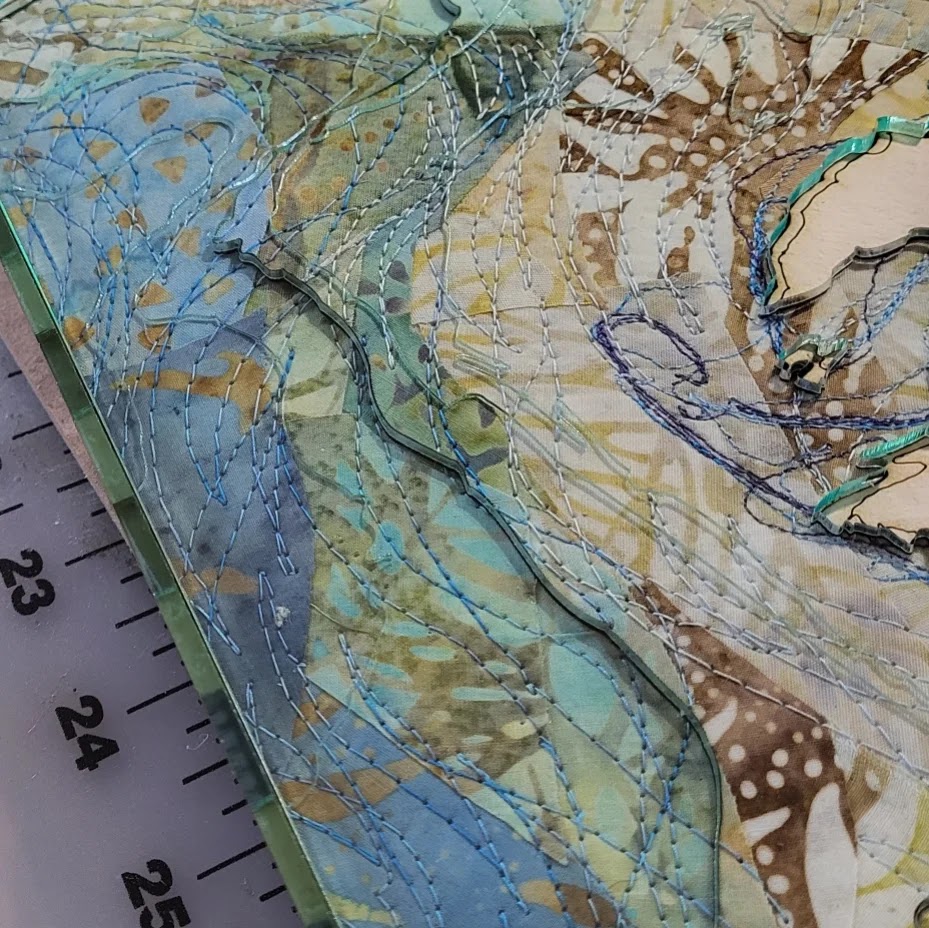

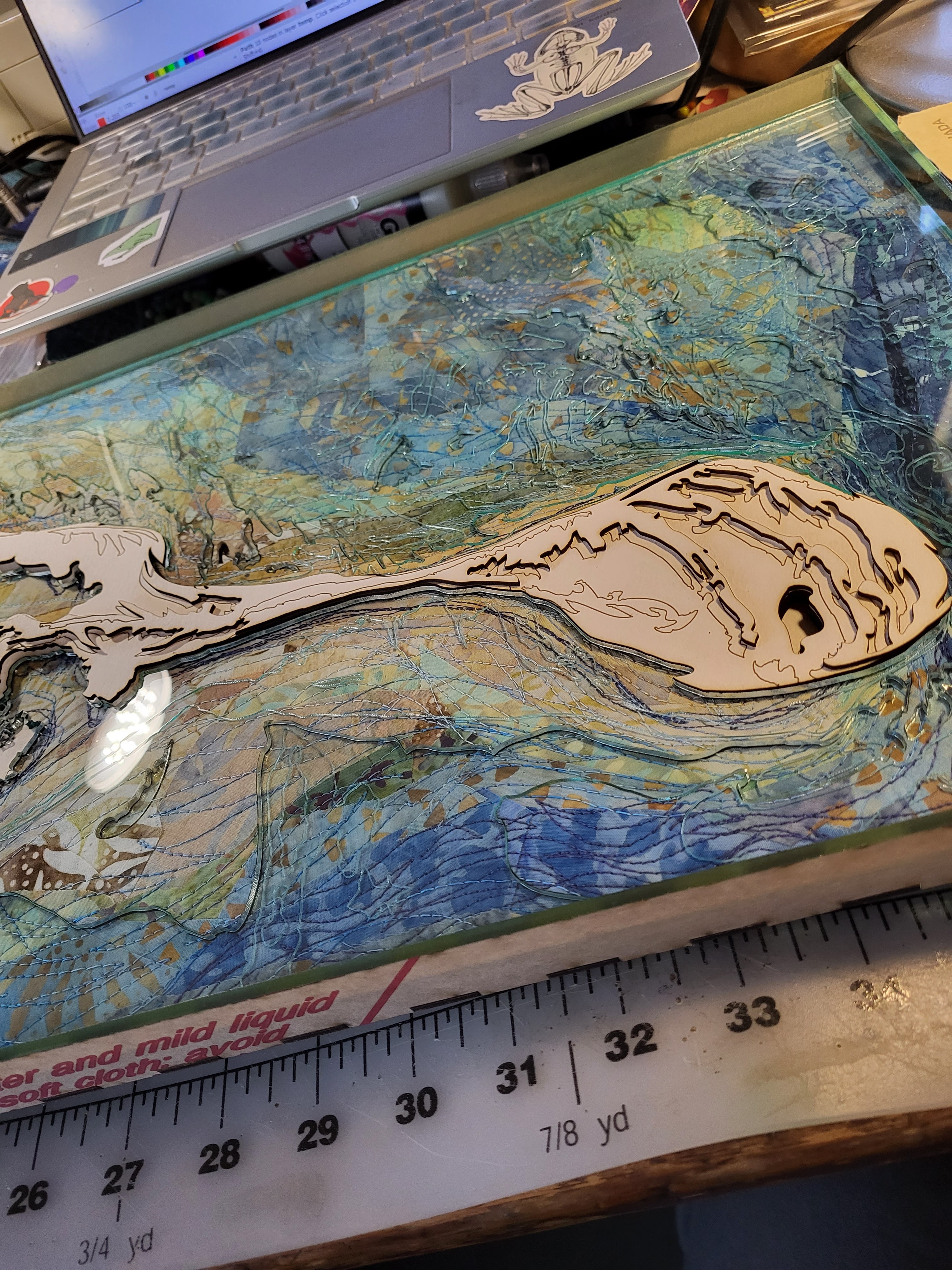
This piece is Cranes Beach in Ipswich, Massachusetts, on the coast north of Boston. This highlights the marsh and island ecosystem that exists behind the barrier beach.
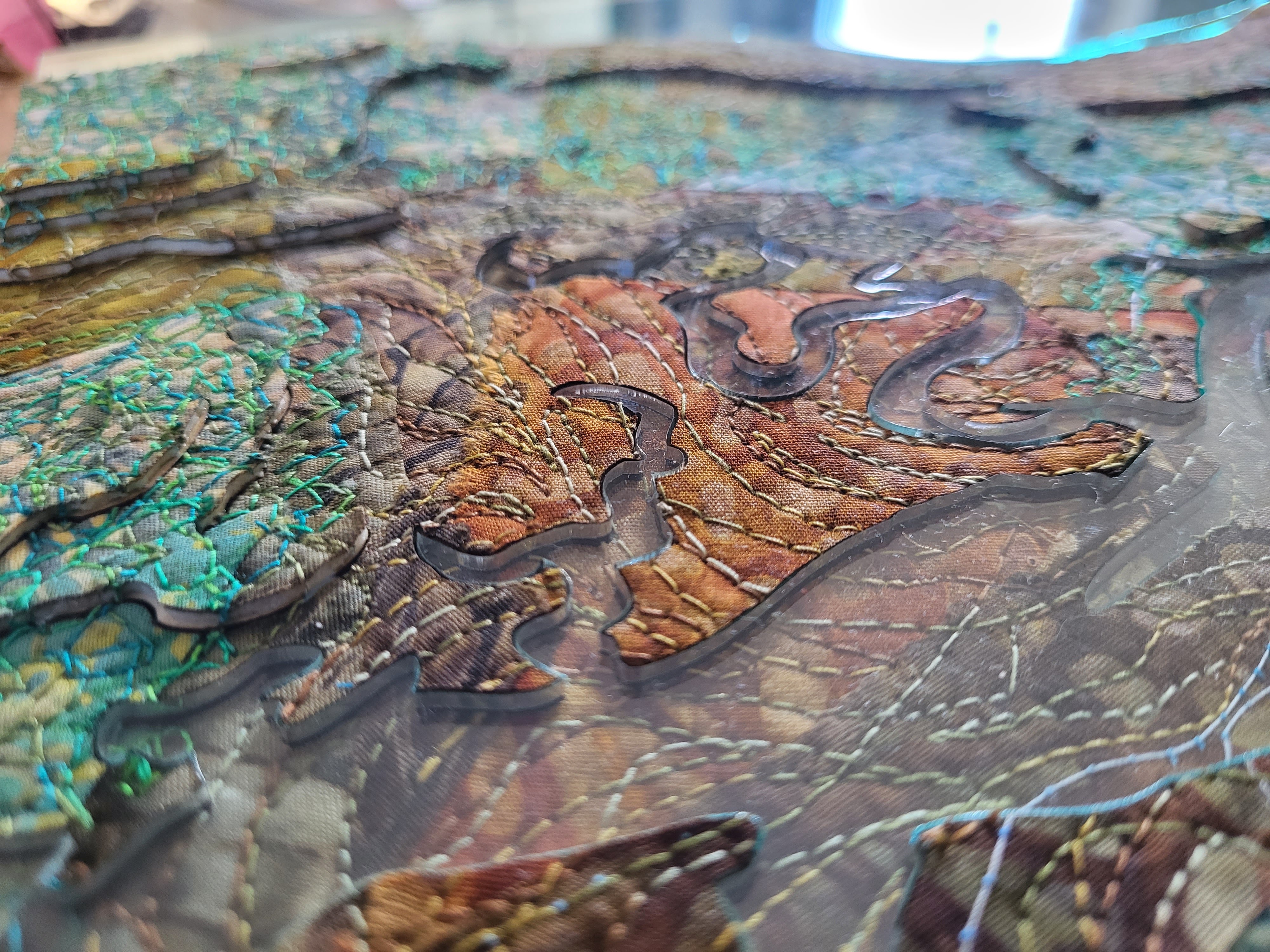

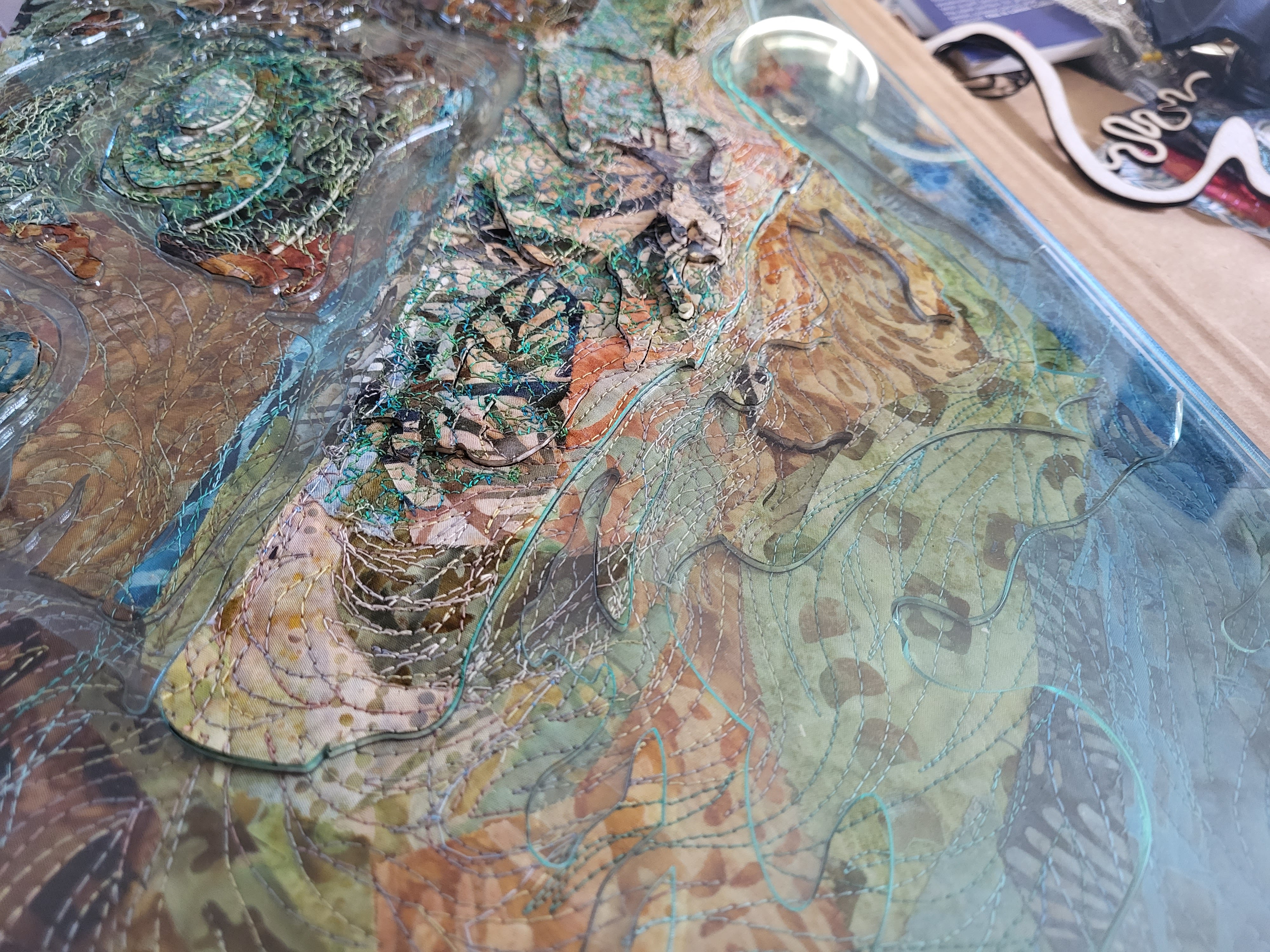


These are going to a professional photographer who will have the right tools and knowledge to get pictures. Thank you Steven Petegorsky for having the the chops to accomplish this.
I just realized this morning that I have time now that I have not had before. Entire days, uninterrupted by child care, elder care or distractions. Not that any of these interruptions were unwelcome, nor did they tend to take the entire day, but they did chop the day into discrete blocks of time, and the size and number of those blocks was finite. I certainly developed modes of working, and projects, that fit into the time available, but I always felt like time was short, and valuable, and needed to be used well.
For the last several weeks, I have been sinking into work that is complicated and layered. Work that takes a fair amount of brain space to hold all the pieces in relation to each other. This is a luxury I have not had in this quantity before, and I am coming to grips with what I owe my work, and what I owe the other parts of my life. Right now, the other parts of my life are definitely being shorted. I am also starting to understand better where some of my hurry came from, and how to combat it now that it no longer serves me as well.

I’ve been evolving ideas about form? I have in my head a vision; of a coastline, and the way the topography holds water and the tide goes in and out across it, and of rivers and the way they migrate across their floodplains – I want to show that. I’ve made a series of layered works, experimenting with cutting and layering stitched fabric over and under layers of plexiglass representing water.
Rivers look like this:


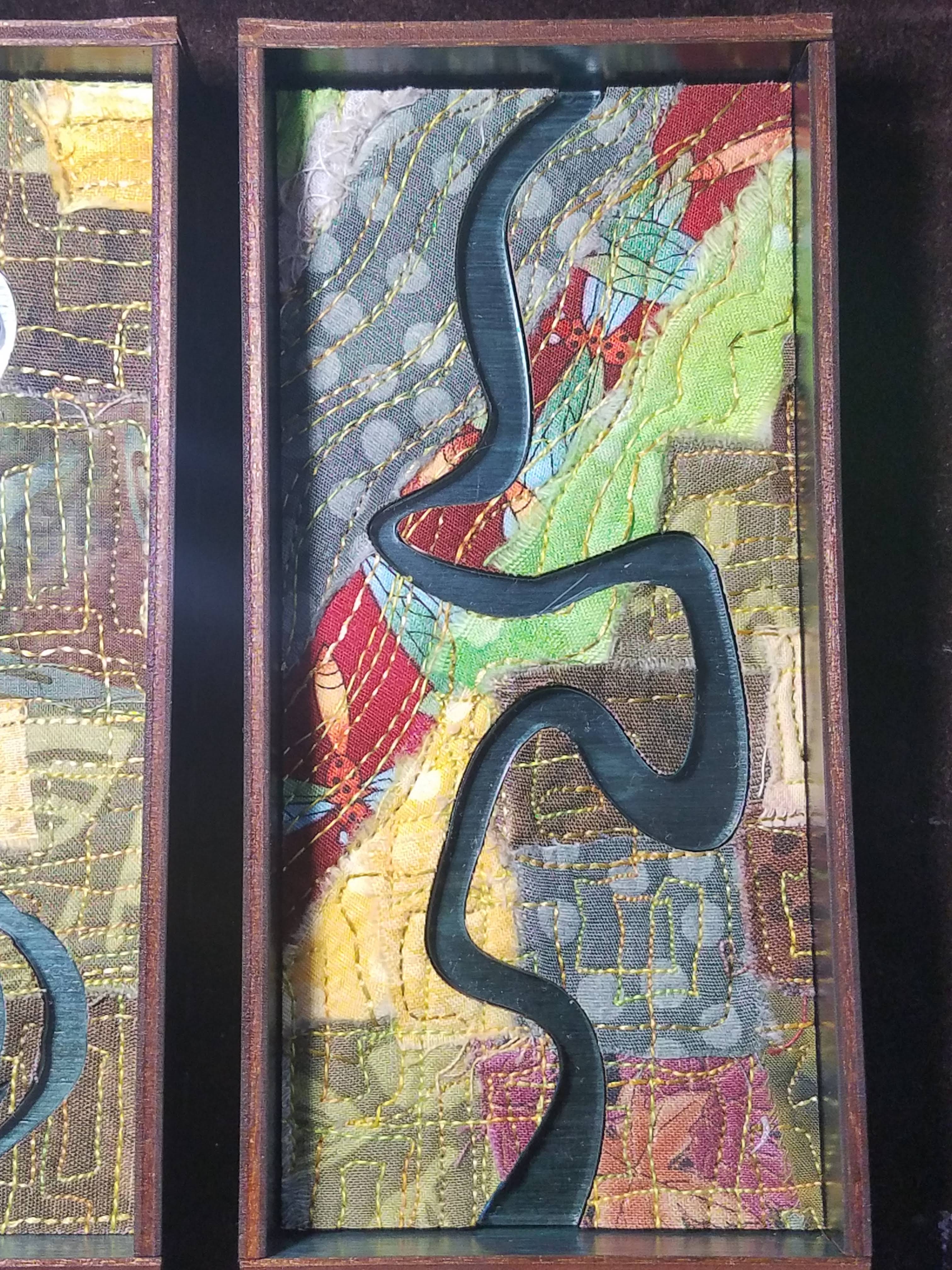
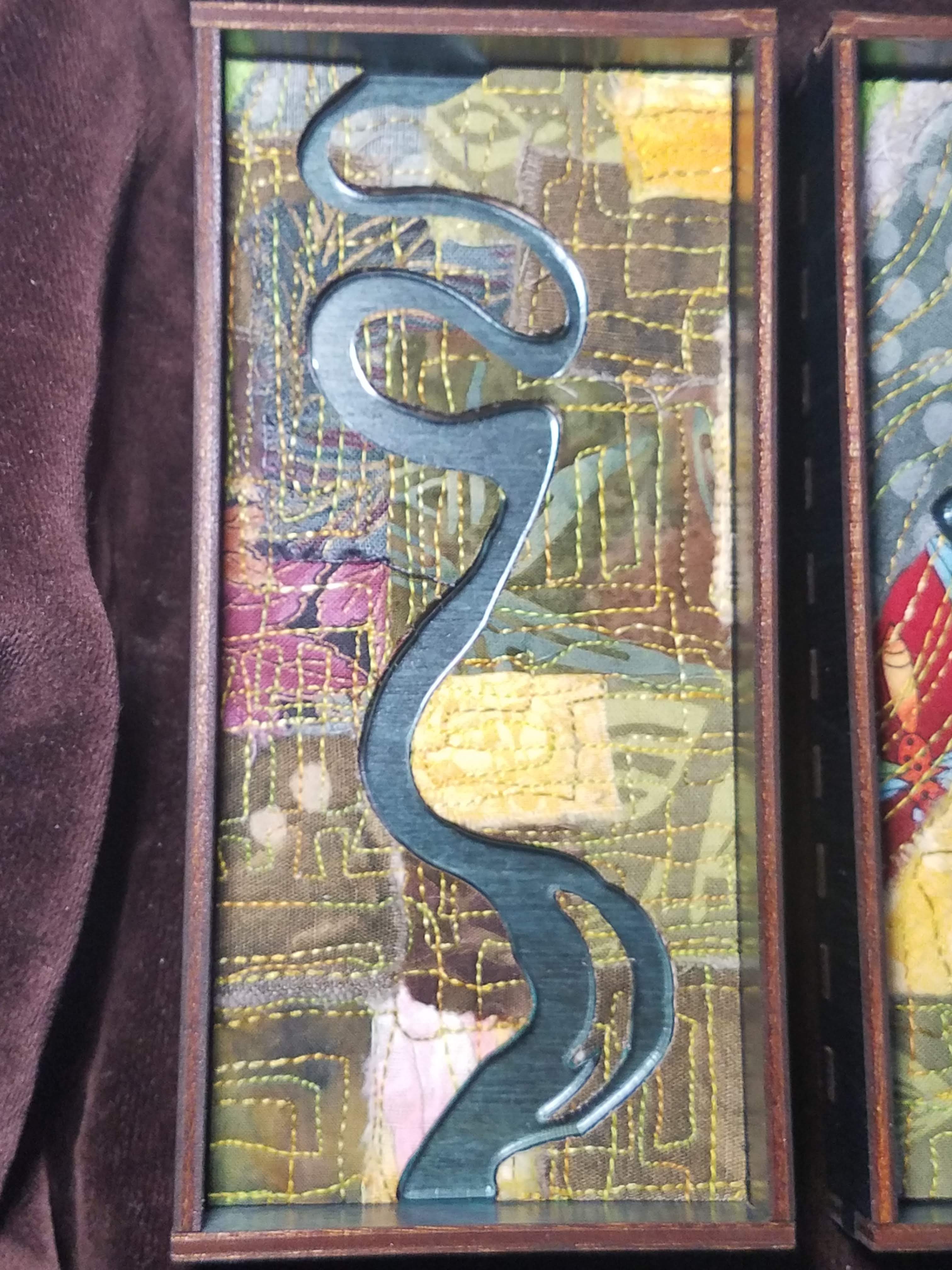
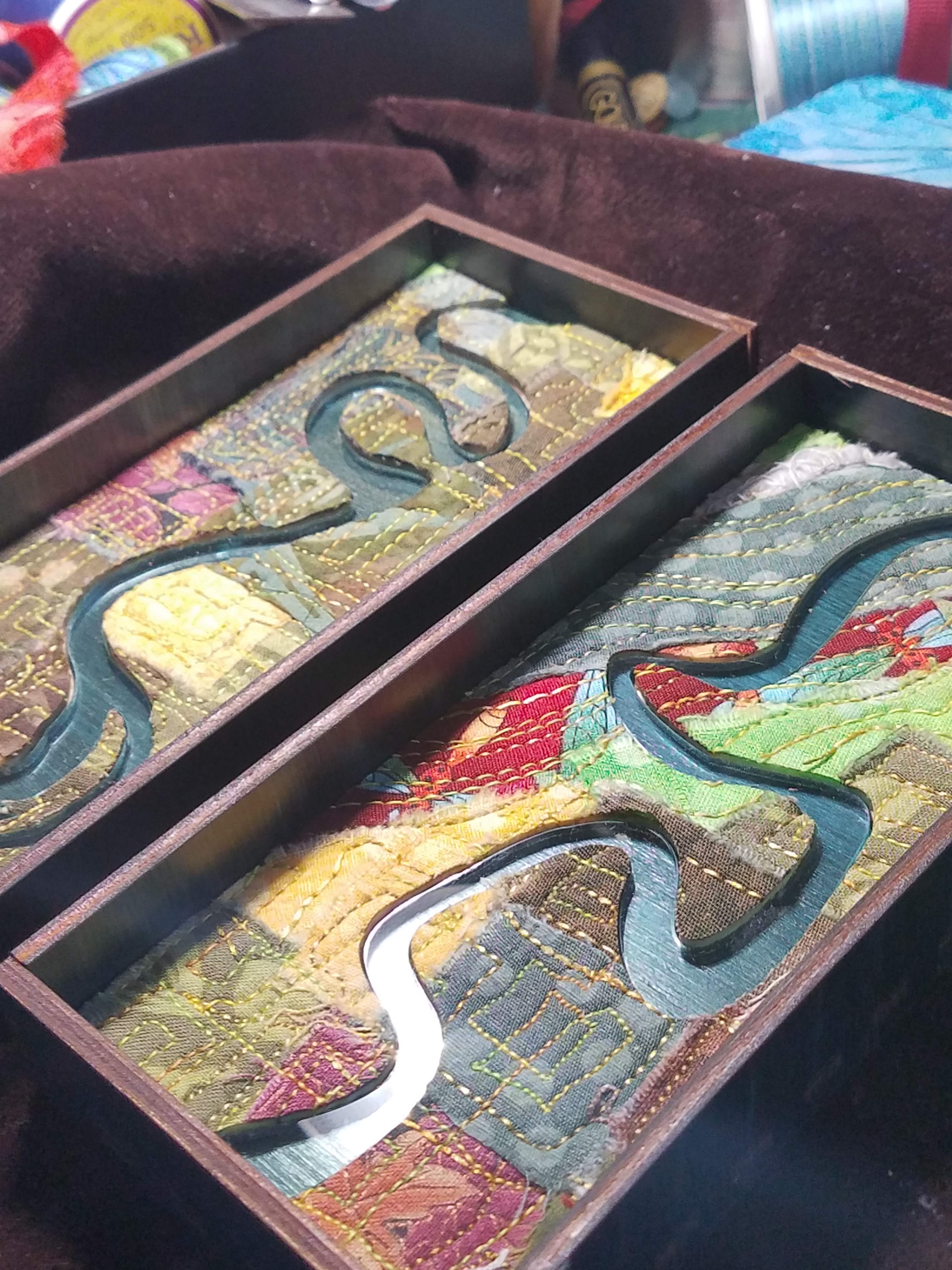
All the layers get cut on the laser cutter, so that the shapes all fit together perfectly. There is the layer of stitched fabric on thick interfacing, a layer of taskboard to raise the fabric higher than the plexiglass, and the layer of plexiglass. I can rest the plexiglass on box, or I can put the cutout river section of the stitching under the plexiglass, so the continuity of the landscape is clear.
Coastlines are a trickier undertaking:


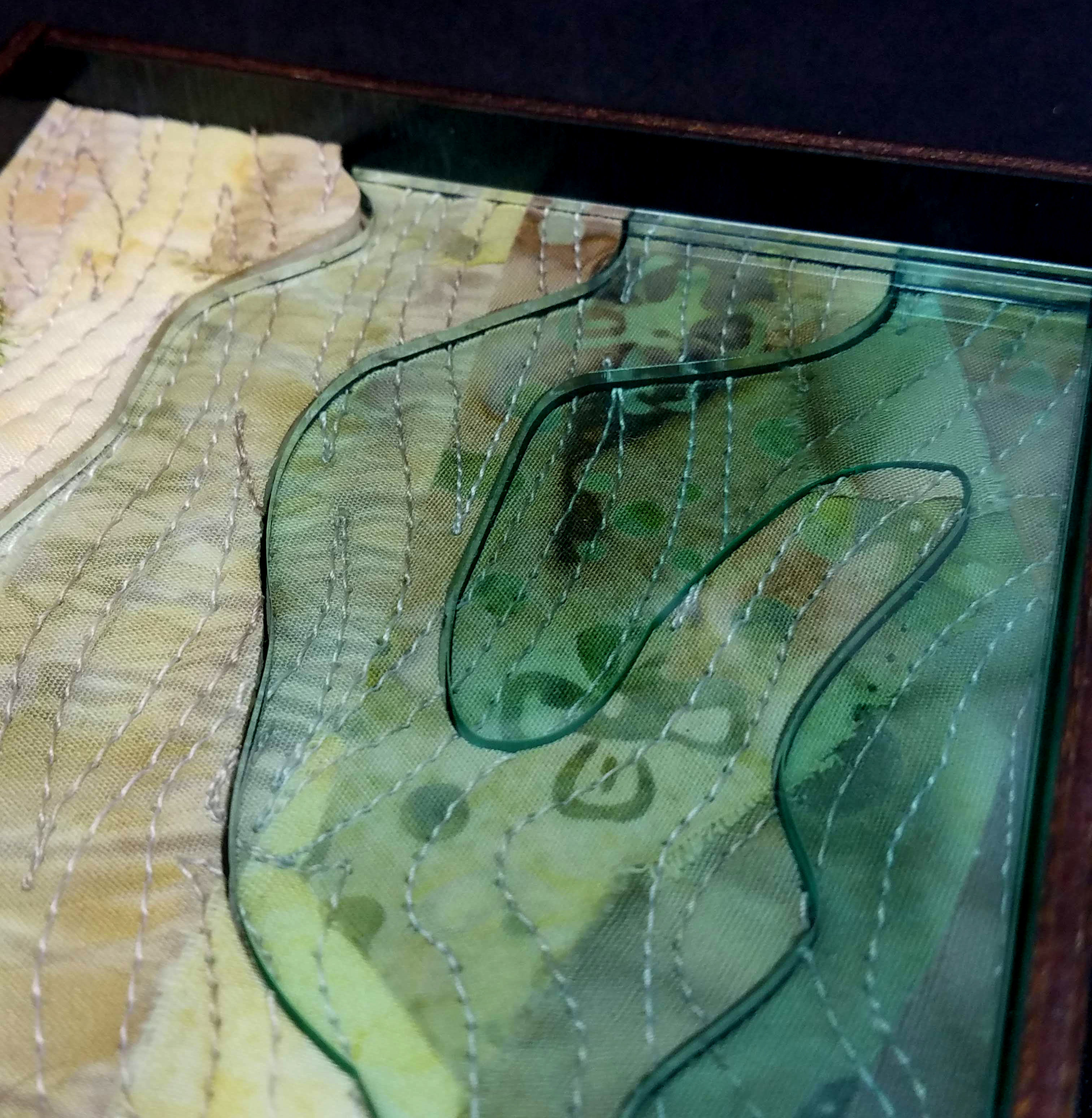

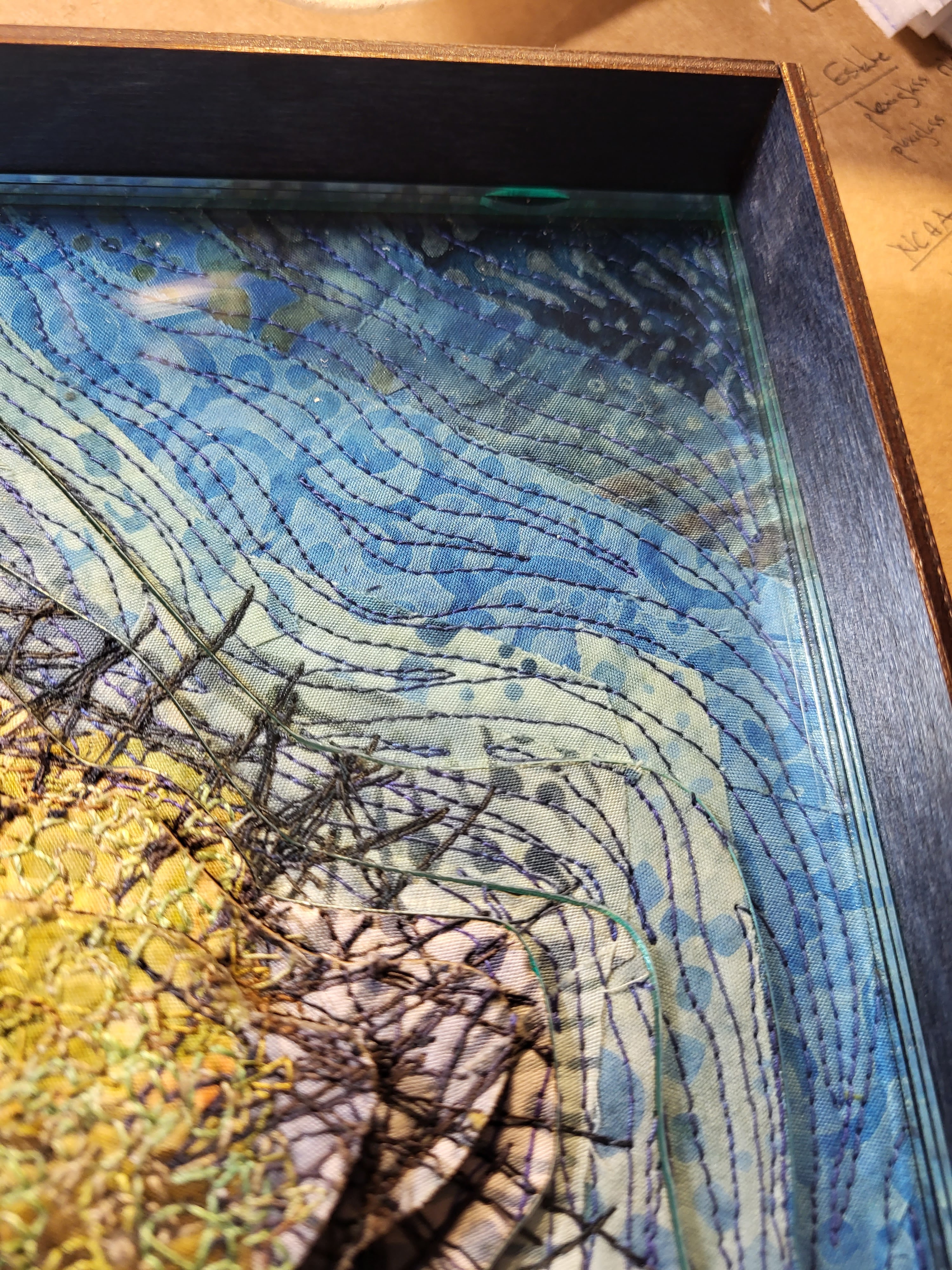
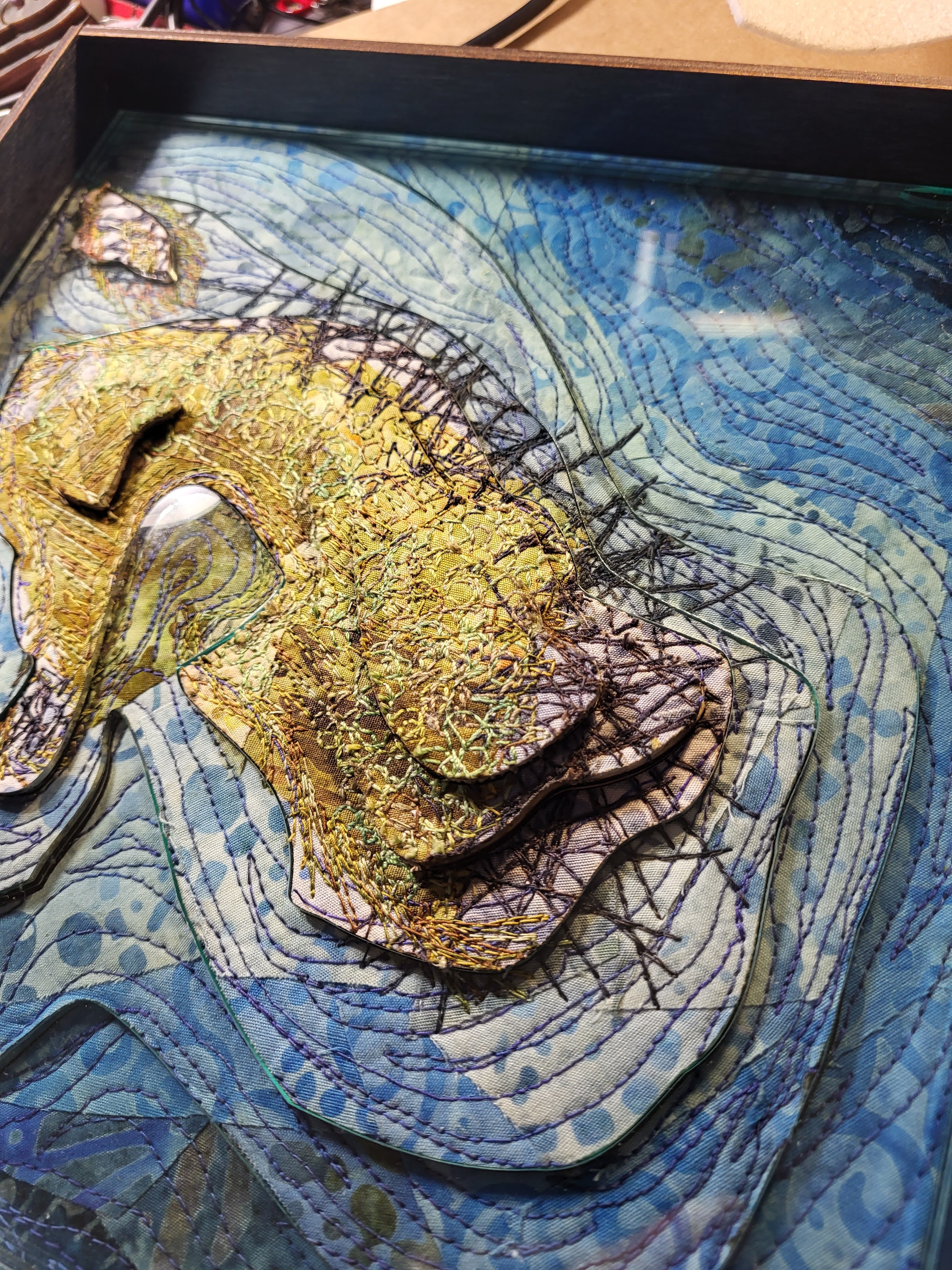
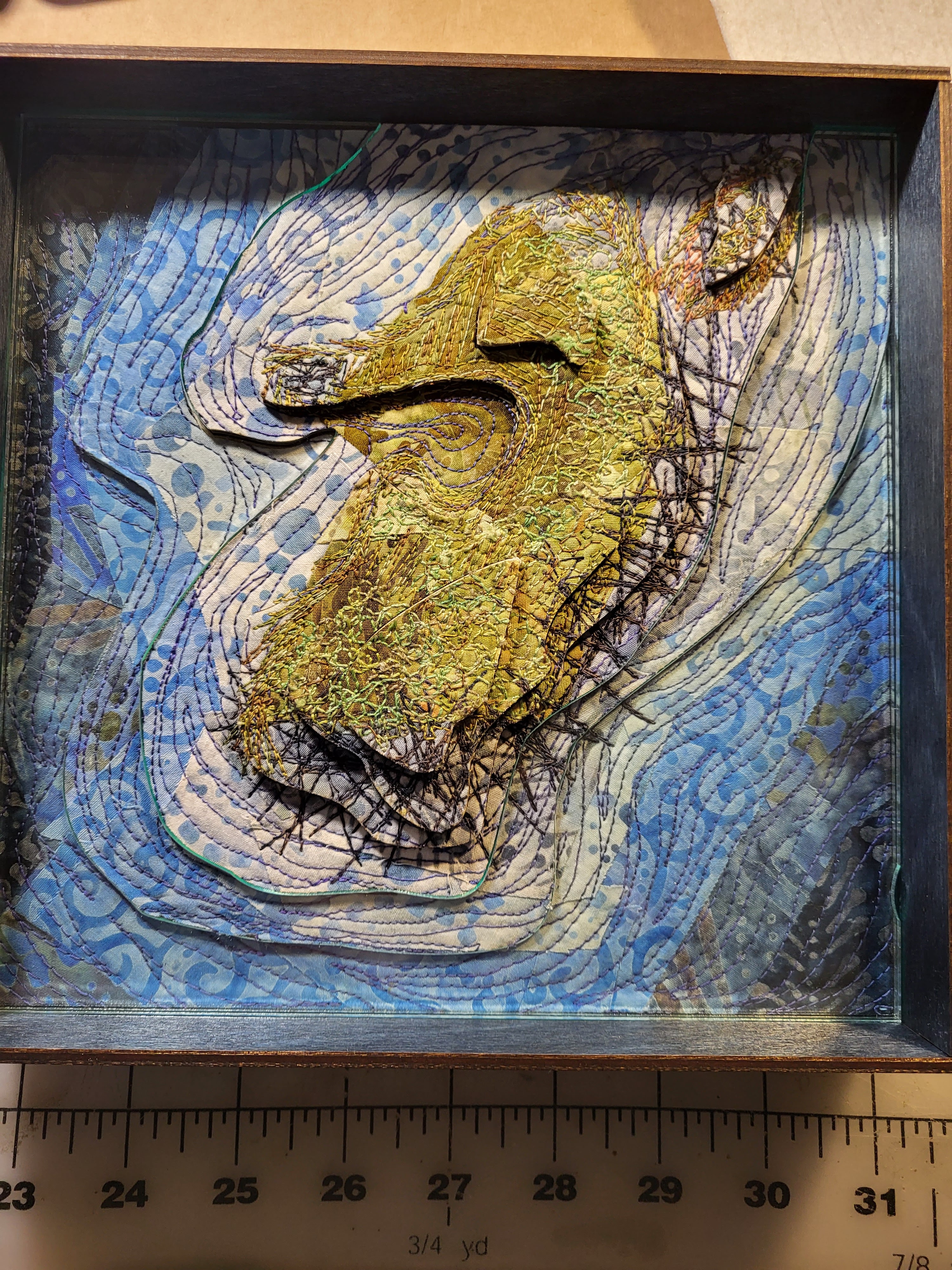

Coastlines go down into the water, and rise up out of the water, so there are more layers of taskboard that need to overlap in the right places and the fabric and stitching have to be in the right places, and the layers of plexiglass have to fit the cutout shapes of the taskboard… it feels like a lot of parts to keep track of. And these are fairly simple examples.
I am working up to larger pieces with more layers, and working with real geography too.
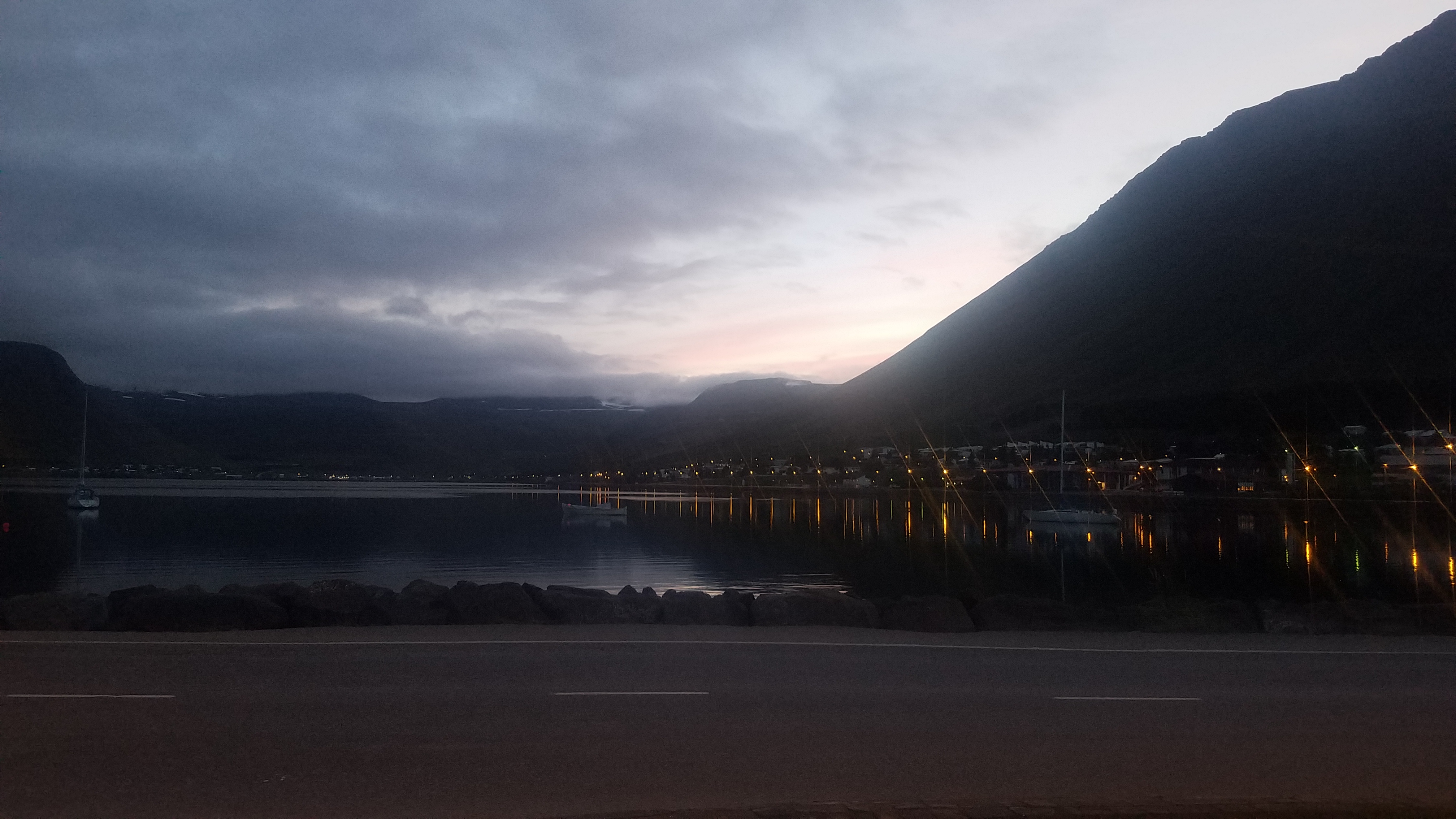
Our younger child Alice left on Monday for grad school in Iceland. So many people have asked me how she’s doing, I started a blog to tell you all. All at once.
To see how the child is faring, follow Alice Abroad. She is pretty funny.




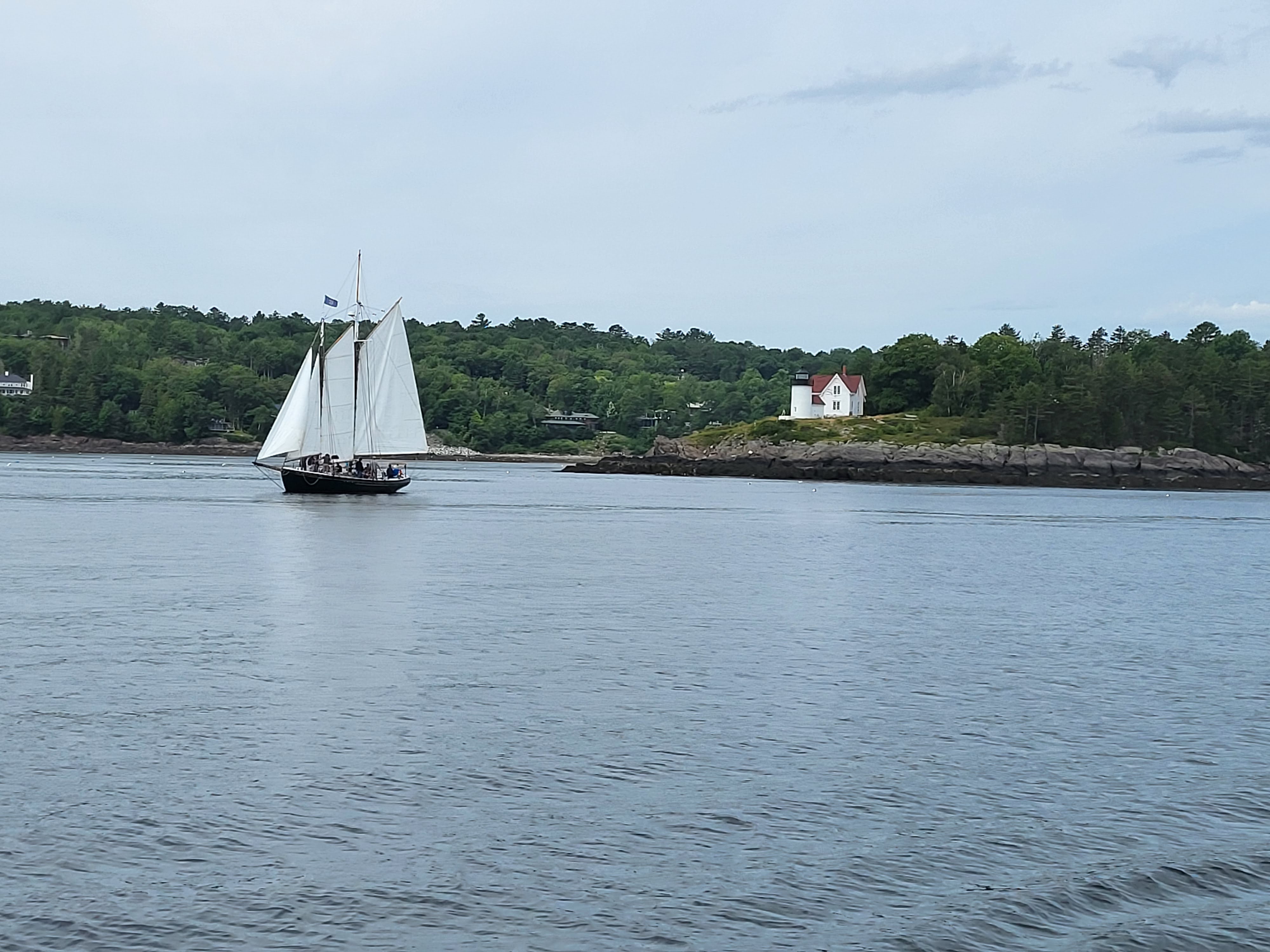
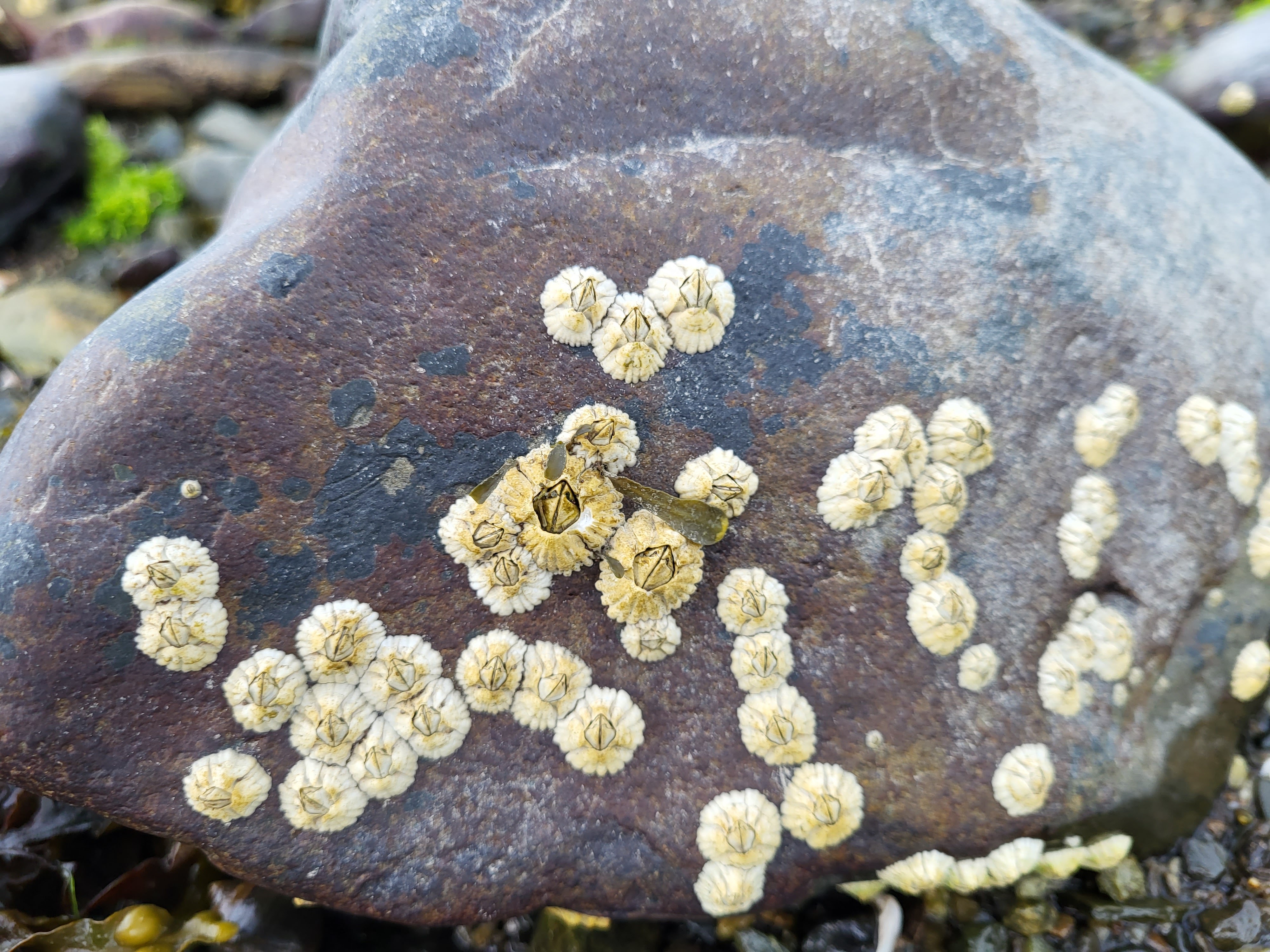
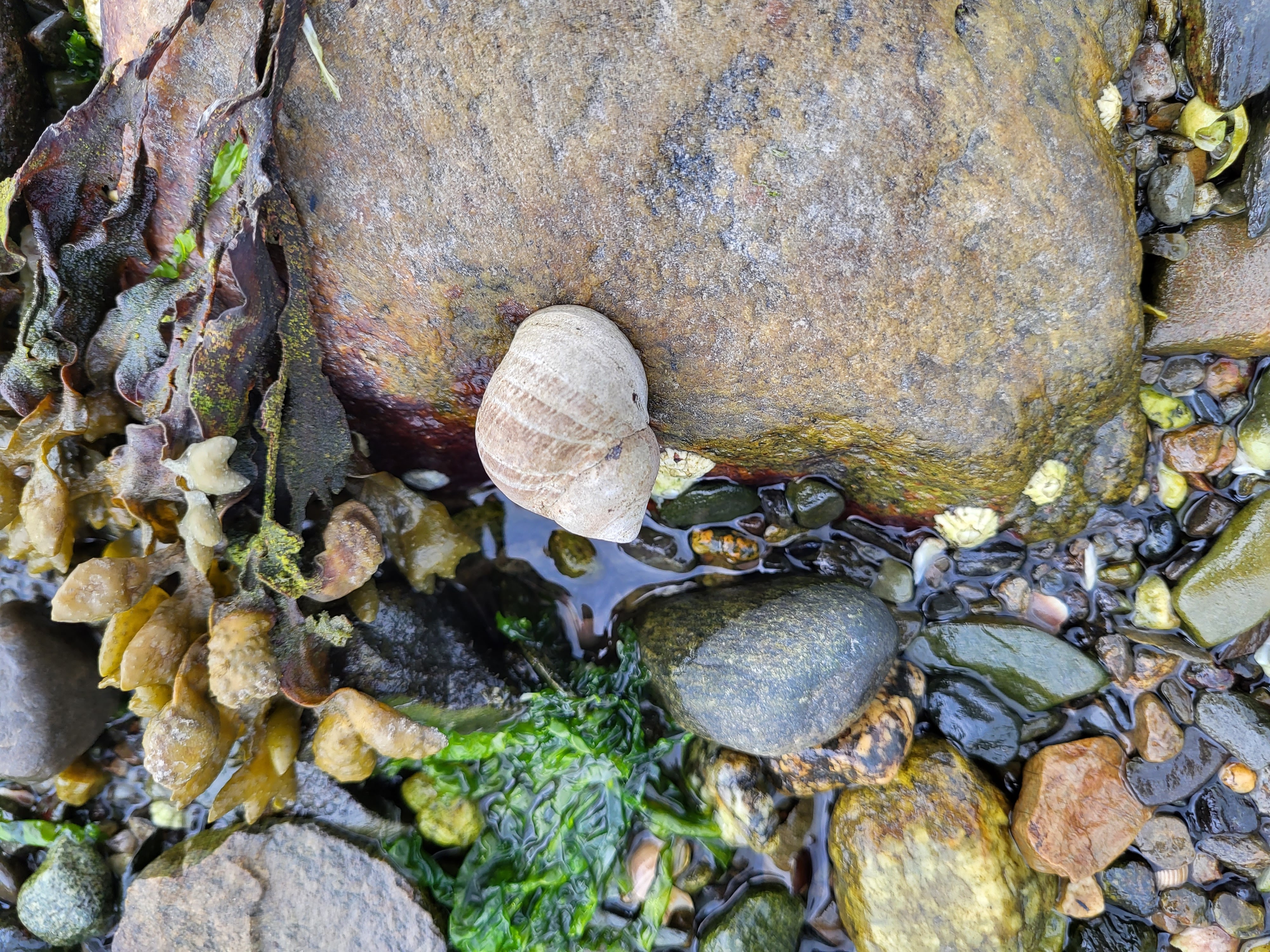

The Schooner Lewis R French, a (floating) designated national landmark, takes passengers around Penobscot Bay in Maine. I made my entire family come (both kids, one kid’s partner, my partner… I would have brought my mum too, but she made do with meeting us for lunch after and debriefing us) and we had such a nice time! The crew was competent and charming, the cook was skilled and also didn’t poison any of my allergy ridden family, the scenery was gorgeous, and our fellow passengers were delightful. We had ridiculous good luck with the weather. I would rate it 15 out of 10, would do again in a heartbeat.
Some intrepid souls swam, insisting you got used to the cold after a bit. We ate absurd quantities of lobster on a beach one night, and watched the tide go out. I waded around and found hermit crabs of all sizes, and some other scuttling crabs, and some tiny nearly transparent shrimp (all remarkably difficult to photograph). We cranked ice cream by hand, and whoever was cranking (only two minutes) had to tell about a thing they’d done they didn’t think anyone else might have done, or recite something. We got some excellent tales, about bats, and seeing the Red Socks (unexpected, in that the individual hailed from Australia). I recited The Owl and the Pussycat. Aerin and Jared chose bits of Shakespeare. One person talked about climbing one of the tall construction cranes, which sounded equal parts glorious and insane. It was an excellent way to introduce people in a kind of stealth fashion – a social engineering win.
And now we’re home again and I am lightly sunburnt, having washed off layers of sunscreen, salt water and bug dope, and pleased to be in my own bed again.


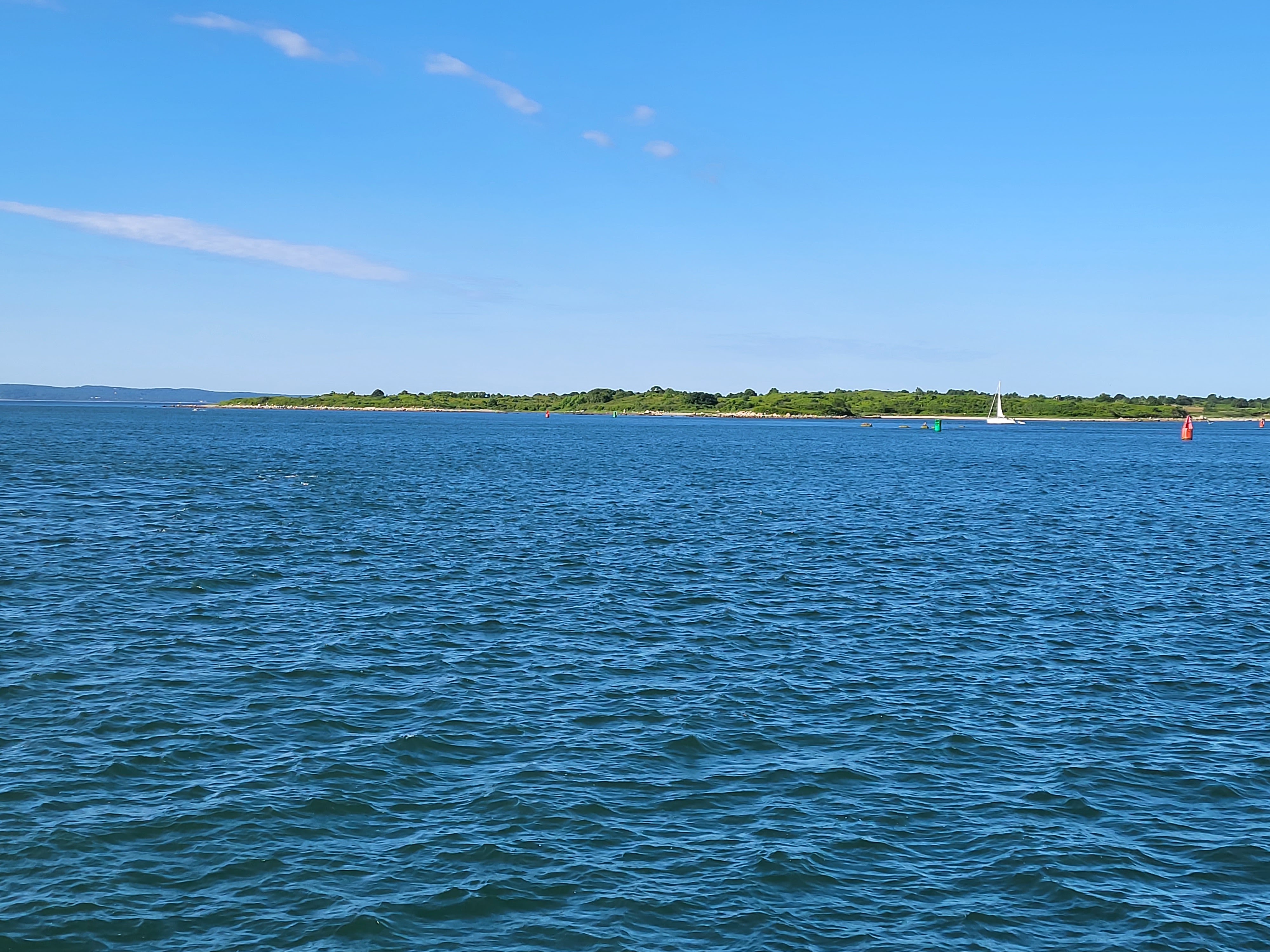


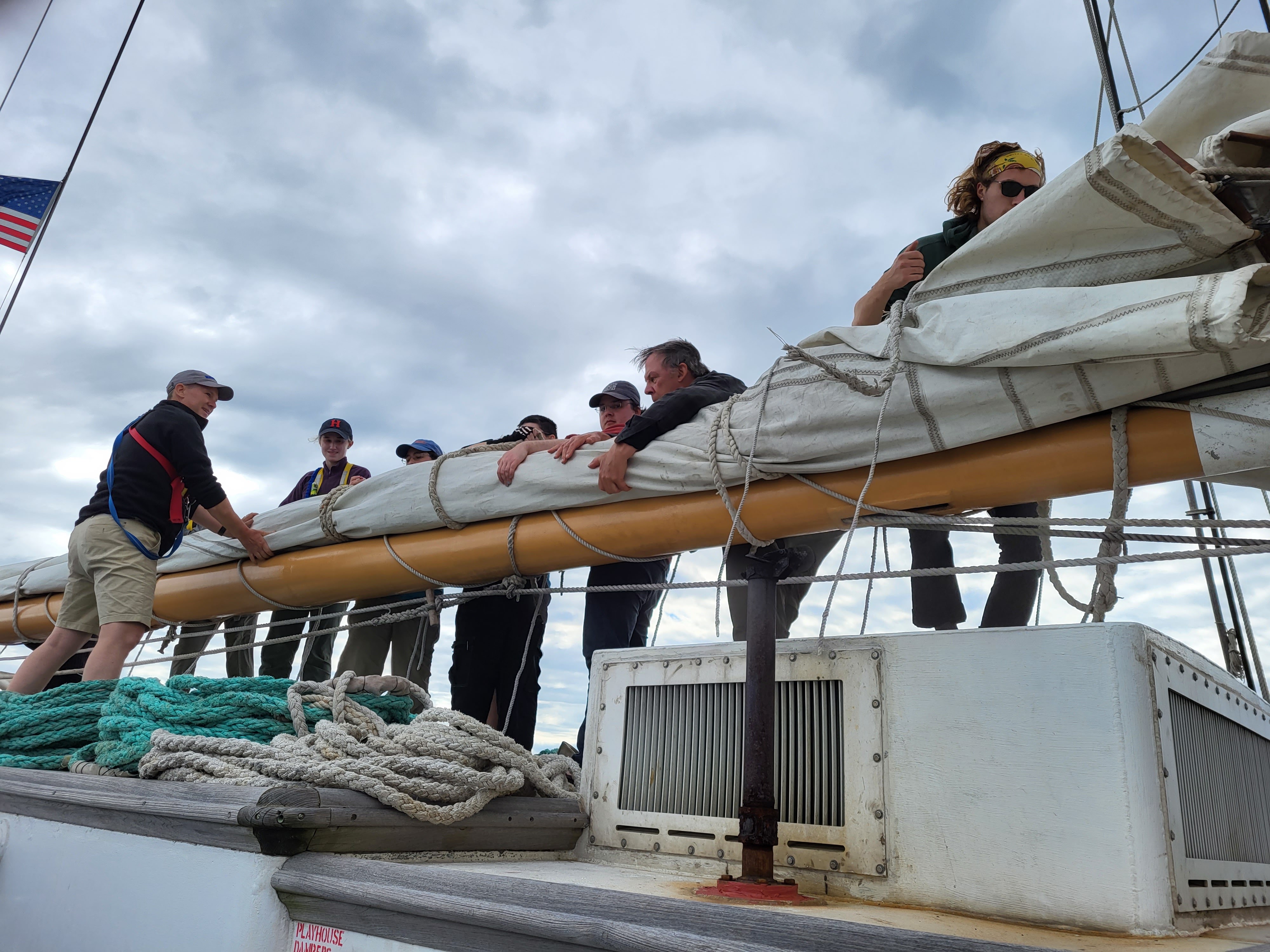
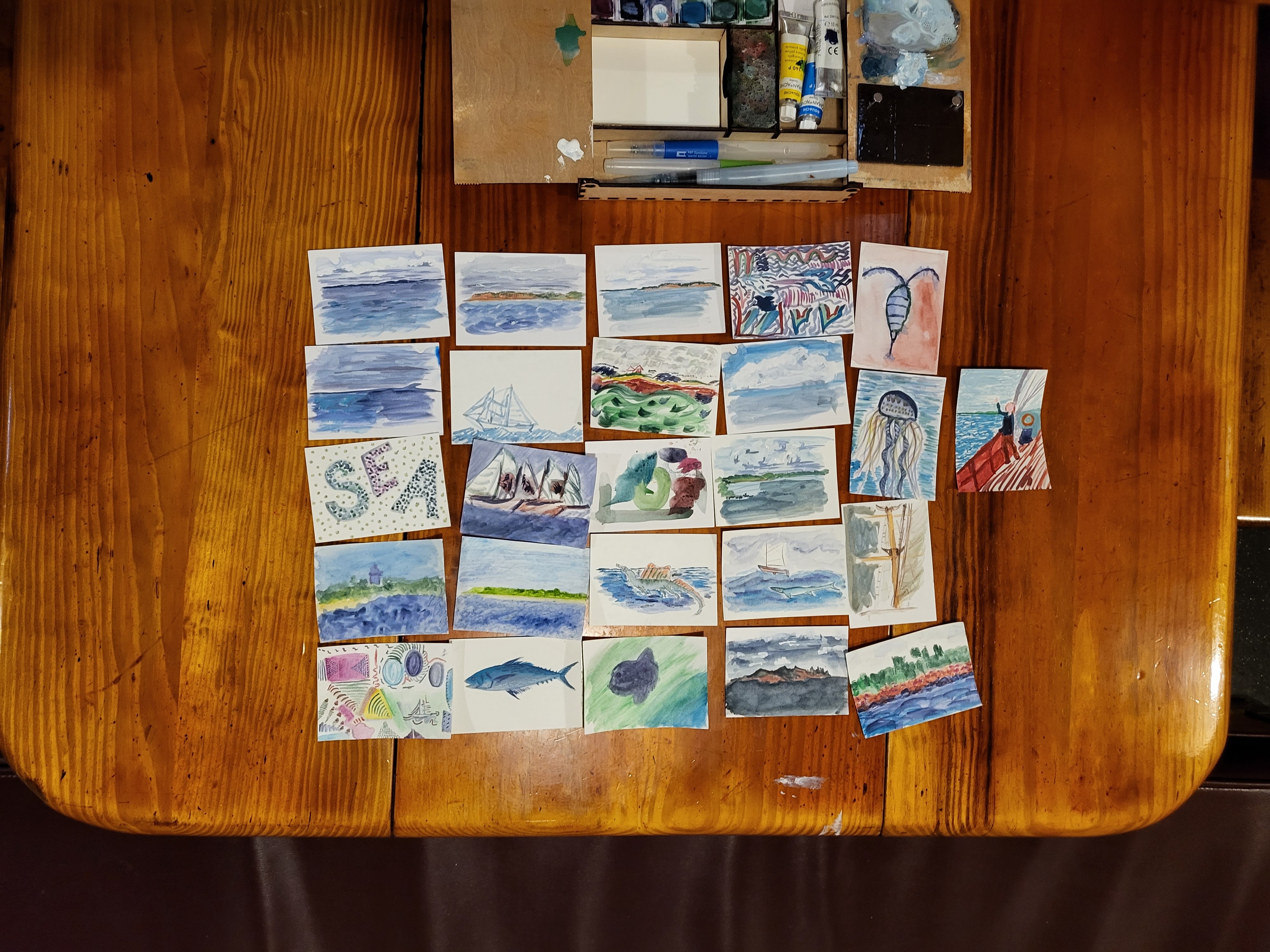


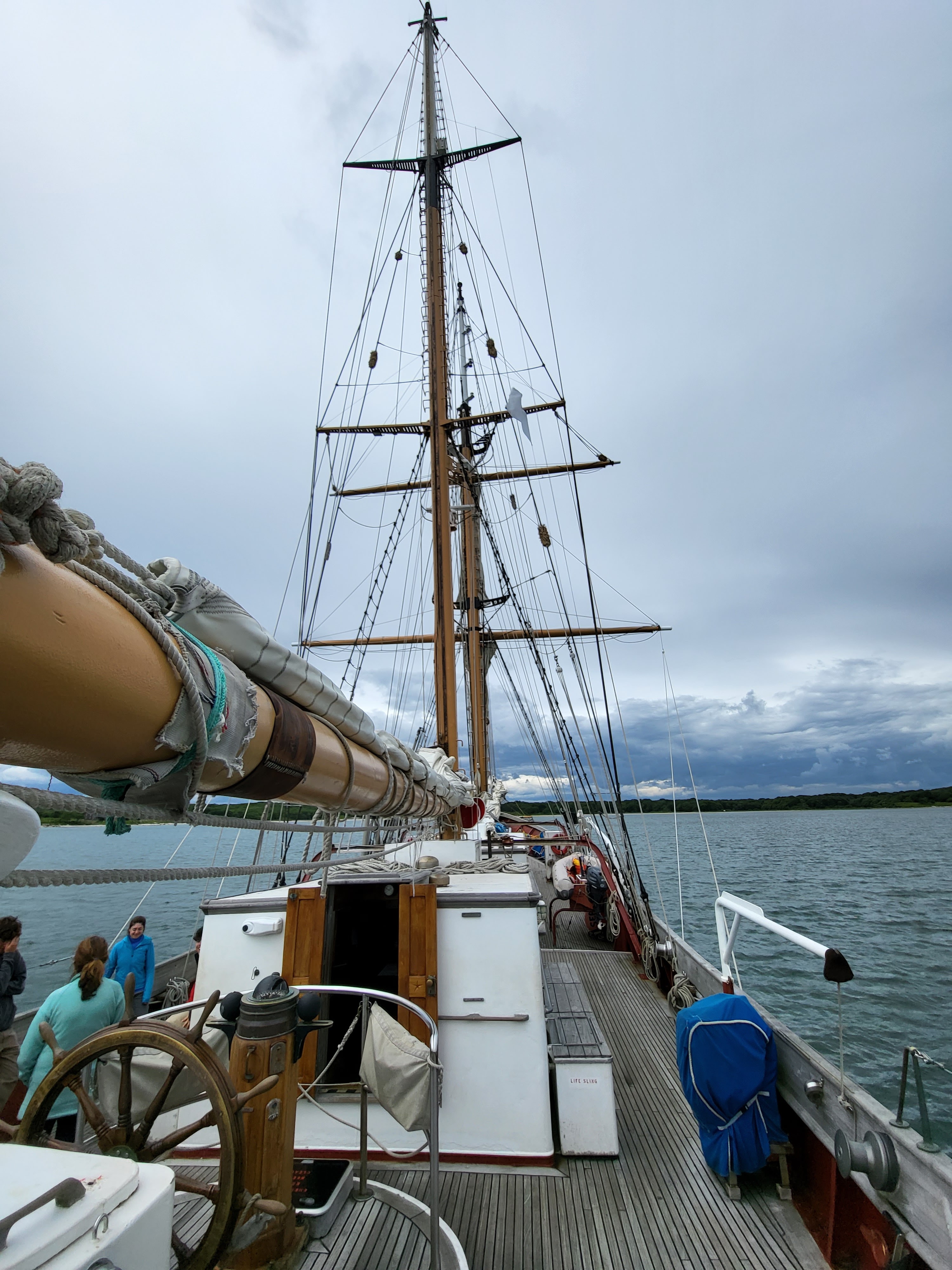
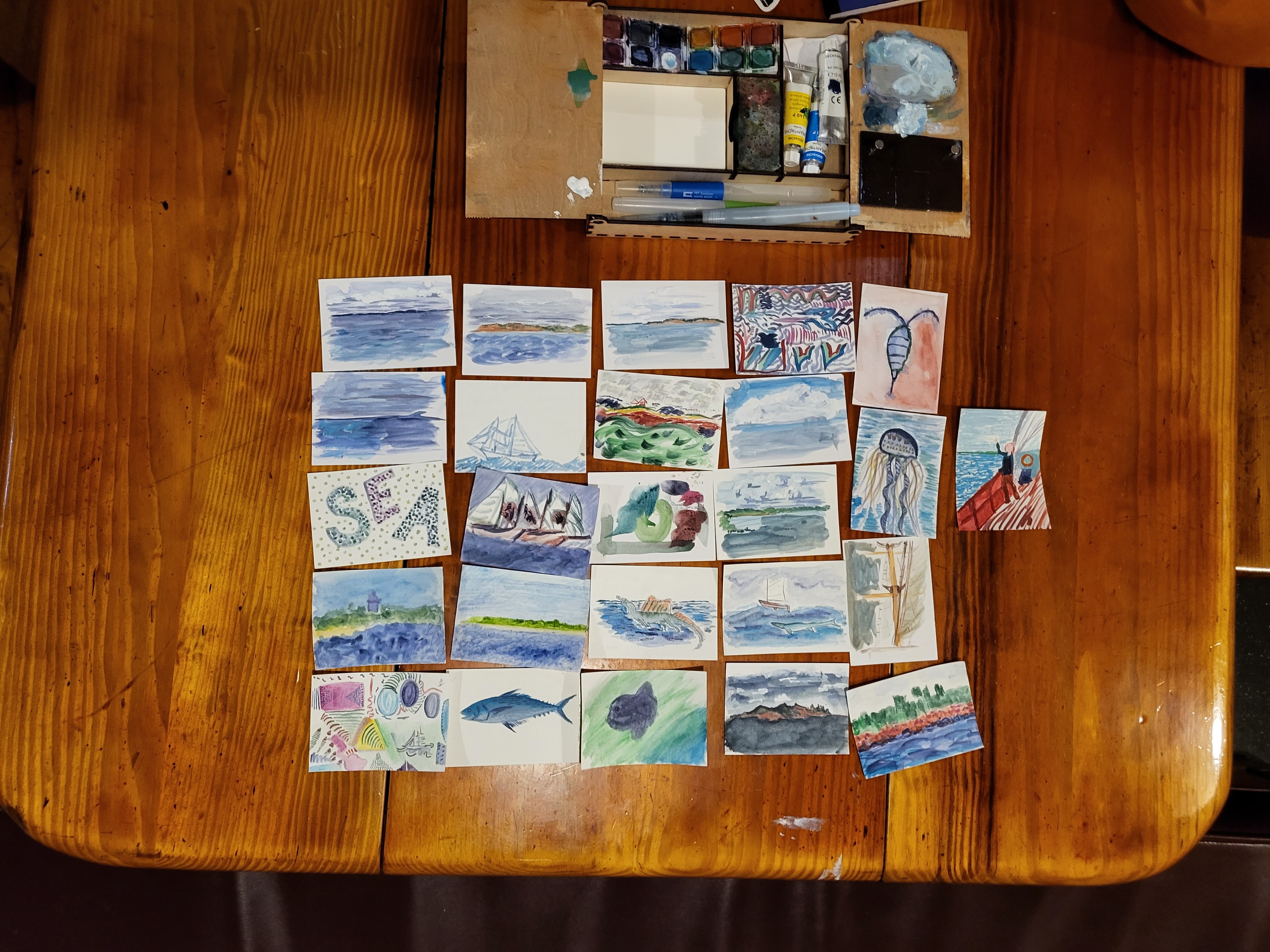


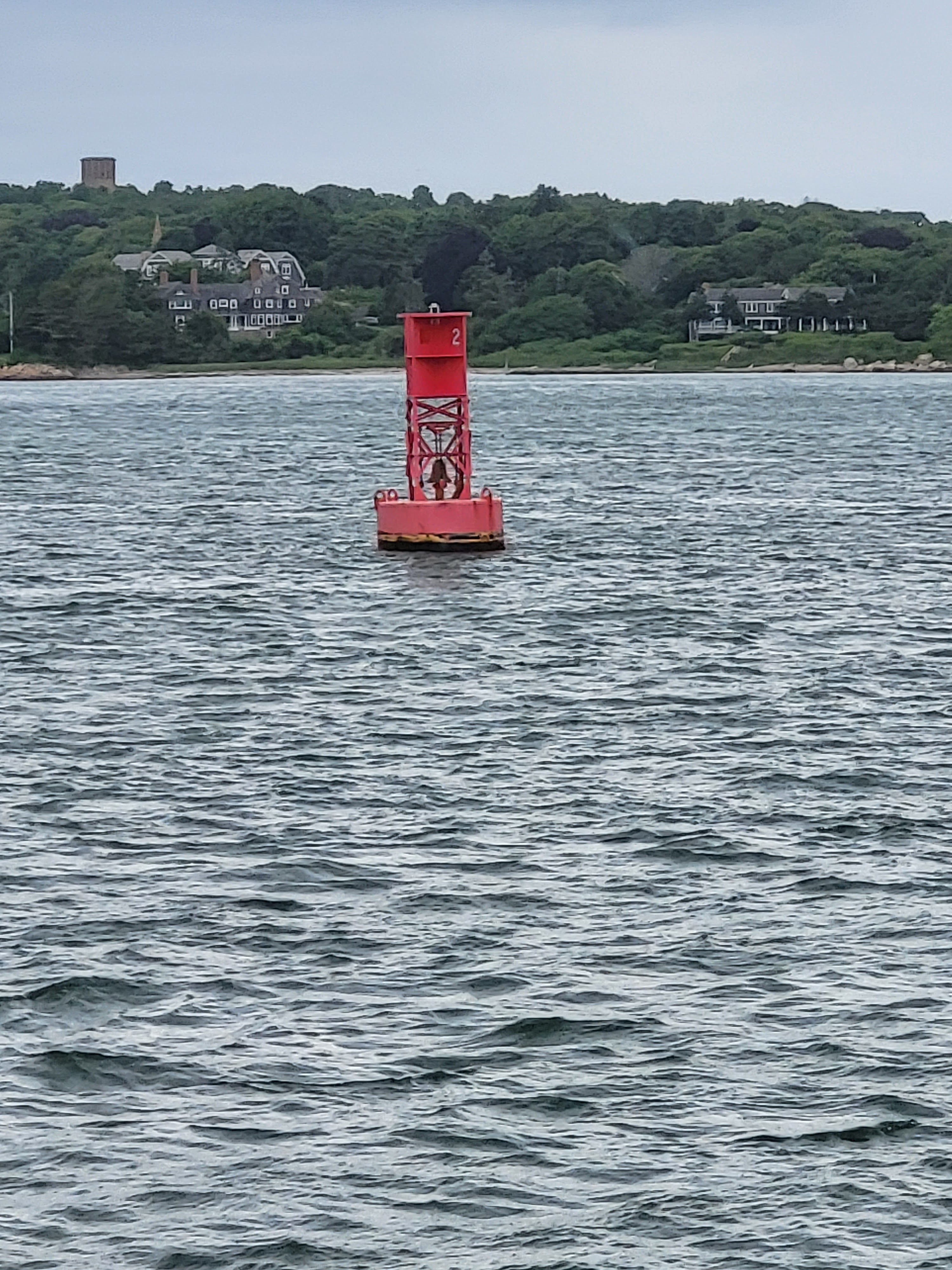
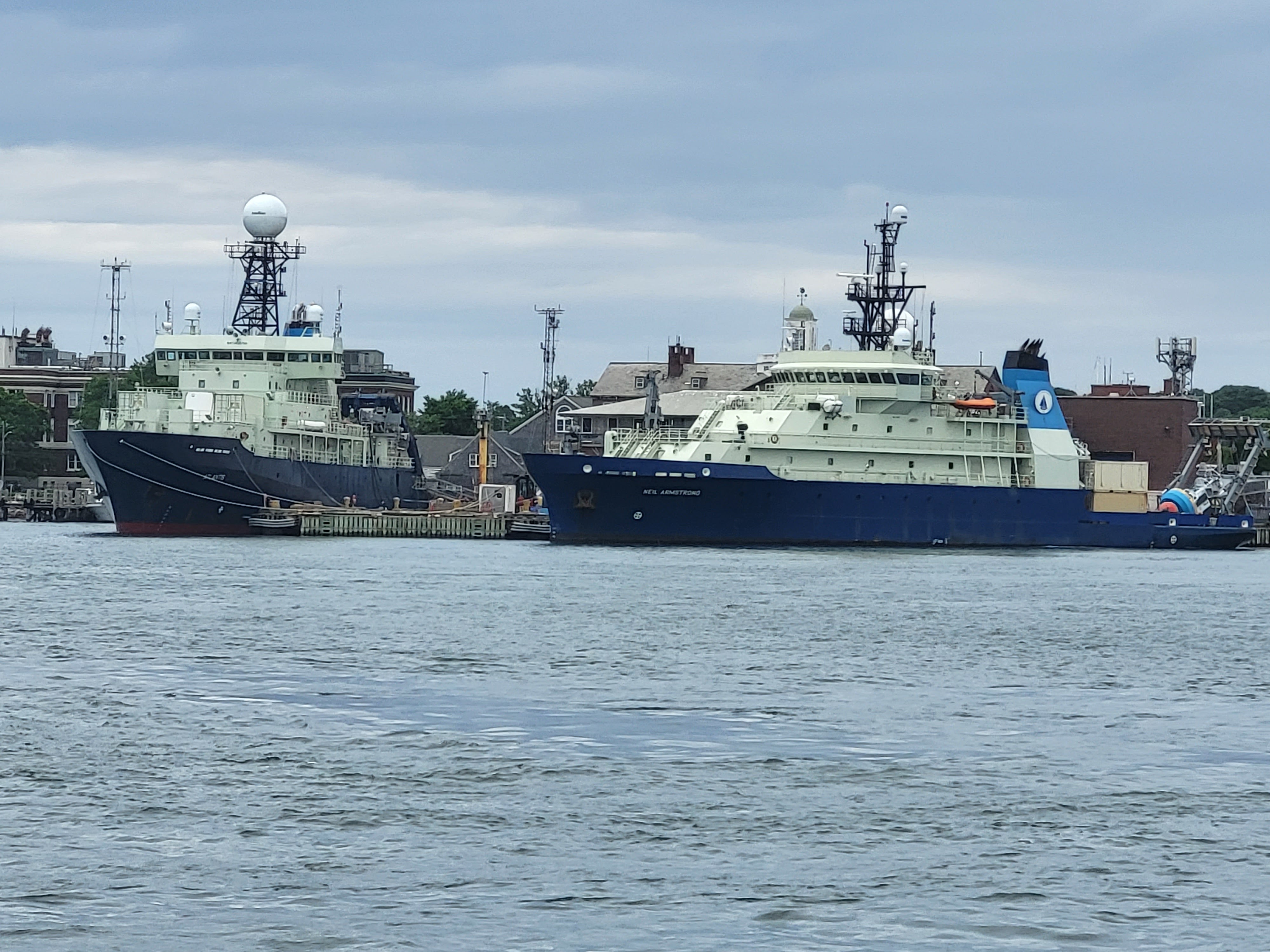

An alumni sail on SSV Corwith Cramer, courtesy of SEA Education Association. Some weather happened, glorious and moderately miserable, we got some sailing and science done, in company with a lot of excellent humans. So many cheerful, competent people!